
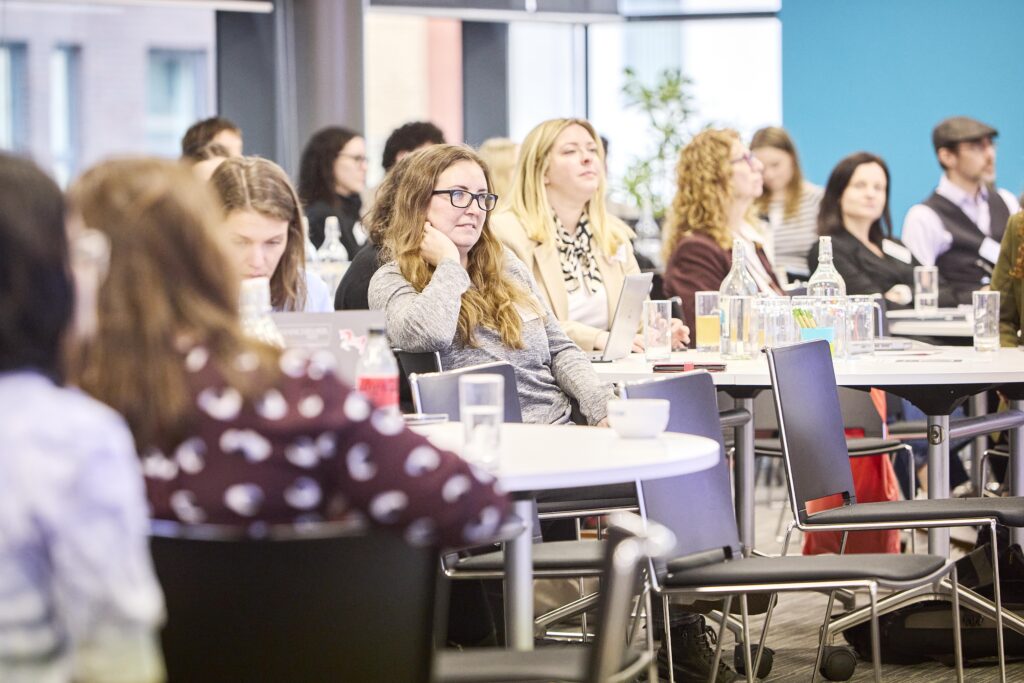
On 24 March 2026, nearly 200 delegates gathered in Leeds and online for the EDI Hub+ annual conference, Shaping the future of research through inclusion, which focused on advancing inclusive research and innovation across Engineering, Physical and Mathematical Sciences (EPMS). Our conference brought together the EPMS community to share evidence, highlight emerging interventions, and explore how inclusive practices can be embedded and scaled across the EPMS research ecosystem. A palpable sense of momentum ran throughout the day; fuelled by the energy and contributions of both in-person and online delegates with a hopeful vision for EDI in EPMS.
Conference themes and strategic context
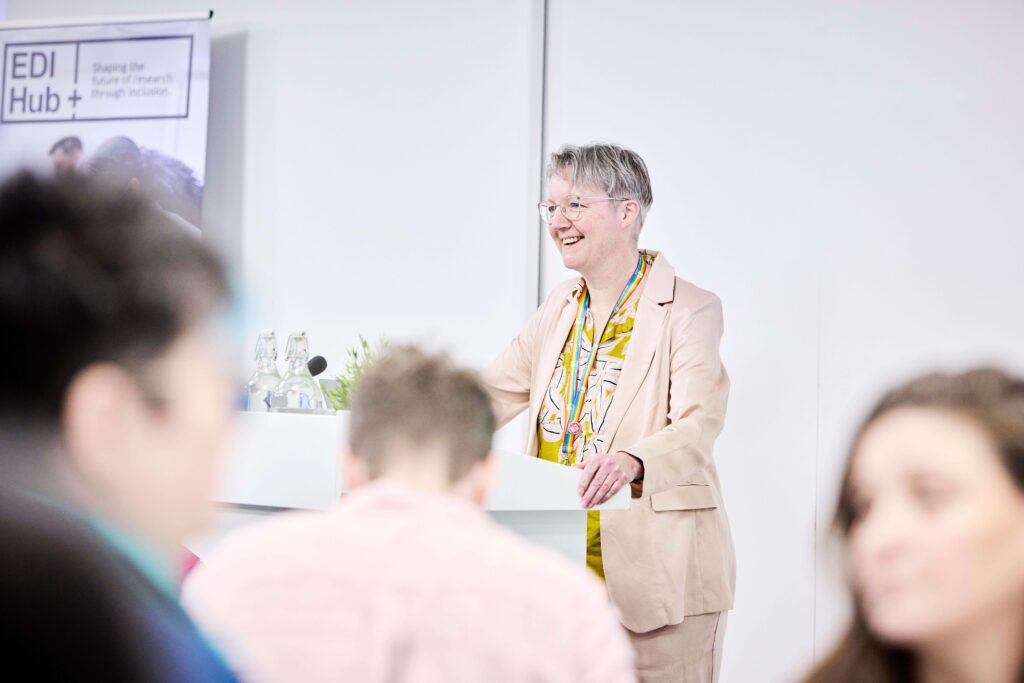
Our conference was framed around our EDI Hub+ mission to support systemic and sustainable change across EPMS. Opening remarks from Prof. Louise Jennings introduced the Five Pillars of the EDI Hub+, providing a shared framework for understanding inclusion as a core component of research excellence rather than a peripheral activity. This framing set the ambitious and energising tone for the day by emphasising that meaningful progress requires coordinated action across funding, leadership, culture and everyday research practice.
A defining milestone of the conference was the launch of the EPSRC EDI Action Plan 2026- 2029 during the opening keynote by Prof. Charlotte Deane, Executive Chair of EPSRC. Presented within the context of the EDI Hub+ annual conference, the Action Plan resonated strongly with the Hub’s mission and highlighted the value of close alignment between national strategy and community‑led action across EPMS.
“It has been hugely encouraging to see such a diverse and engaged audience here today, representing the full breadth of the UK EPMS research and innovation community. Launching the EPSRC EDI Action Plan at this conference really matters, because it brings national ambition into direct dialogue with the people who will champion and deliver meaningful change across our disciplines.”
Prof. Louise Jennings, joint lead of EDI Hub+
Evidence‑based interventions and innovation in practice
The conference also marked the announcement of the first EDI Hub+ funded projects. These presentations illustrated a diverse range of approaches to advancing inclusive research cultures. Across topics such as inclusive leadership practices, reasonable adjustments, flexible career pathways, and STEM‑specific EDI training, the projects foregrounded co‑design, transparency and the use of evidence to inform change.
Complementing this, a series of lightning talks highlighted community‑led initiatives addressing inclusion from multiple angles, including disability access to laboratories, LGBTQ+ inclusion in STEM, mentoring and leadership development, and mission‑driven doctoral training. Together, these contributions demonstrated both the breadth of existing EDI activity across EPMS and the potential for shared learning between disciplines, institutions and career stages. These initiatives also embody a key objective of our conference: to evidence and advise what works, for whom and under what conditions.
From pilots to systems: scaling what works
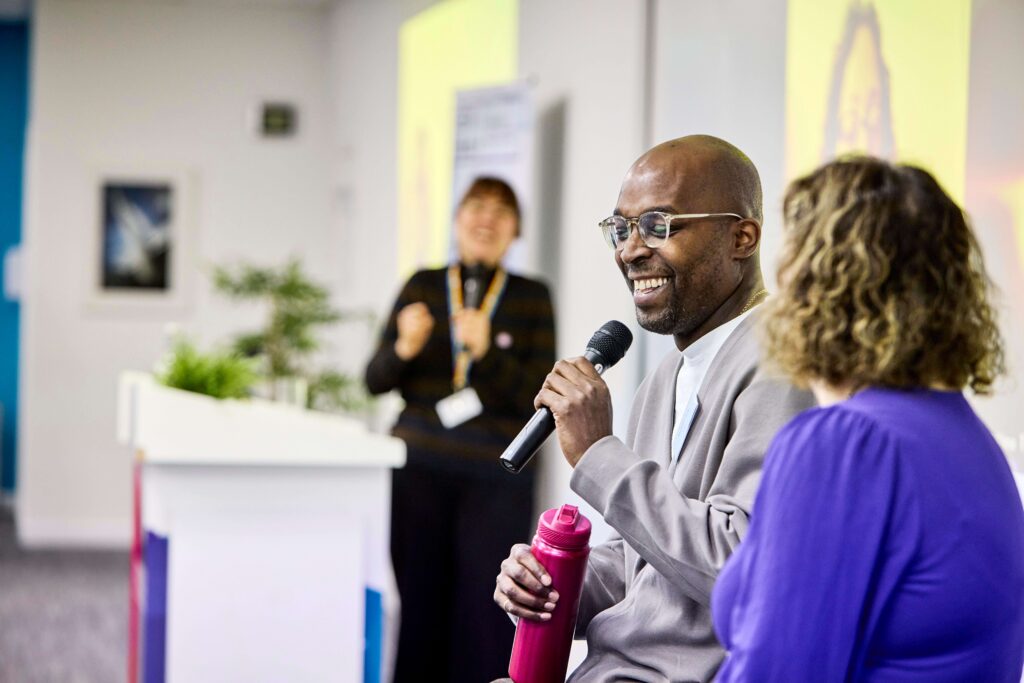
Moving beyond individual initiatives, discussion throughout the conference centred on how effective interventions can be scaled and sustained. A panel on Scaling what works explored the conditions required to embed inclusion at institutional and sectoral levels, including leadership commitment, robust evaluation, incentives for collaboration, and long‑term resourcing. Panellists reflected on the importance of adapting interventions to local contexts while retaining their core principles, and on the need to move from short‑term projects to structural change.
“I particularly valued the fluency of the speakers, and the panel discussions were a highlight of the day for me. I came away with a renewed sense of optimism: while concerns about the wider climate and the impact of EDI work remain, the conversation reinforced that progress is possible, and that there is a strong, committed community working together to scale what works.”
Anonymised feedback from attendees.
Culture, careers and enabling people to thrive
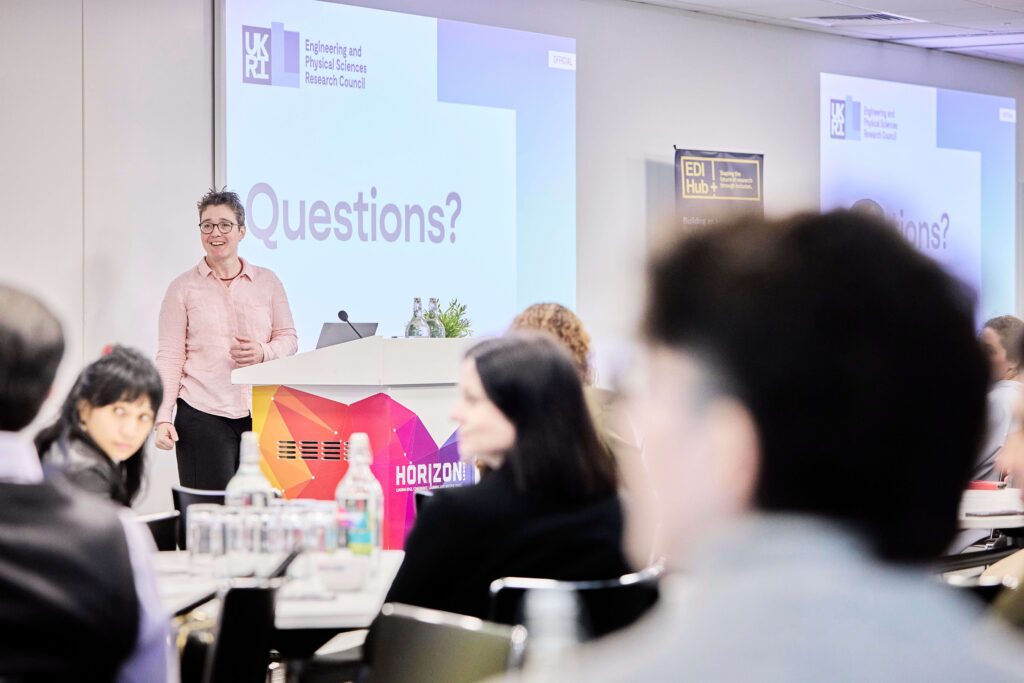
Attention to research culture and career progression was a central theme throughout the day. In her keynote, Dr. Jessica Wade explored how the hidden curriculum shapes who progresses and who leaves academia. Her speech detailed the Matthew and Matilda effects and the cumulative impact of invisible norms. Her reflections energised delegates and generated engaged discussion during questions from the audience.
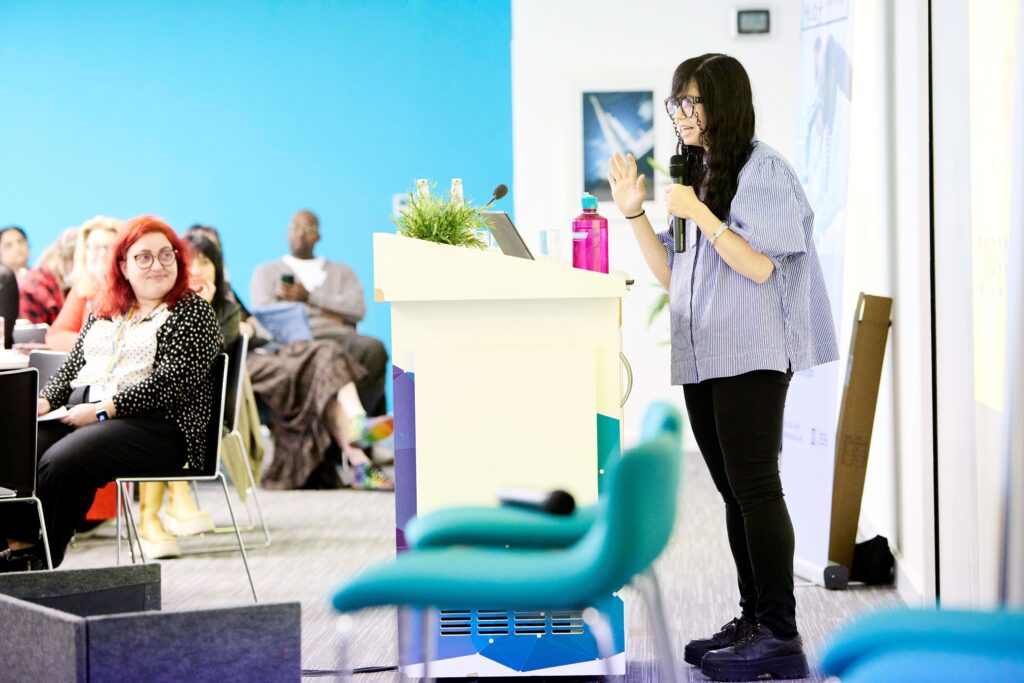
These themes of transparency and collective responsibility were echoed in the final panel discussion, which focused on enabling people to thrive across diverse research and professional pathways. Panellists considered inclusive approaches to career development, workplace culture and support structures, and the importance of everyday conditions that support wellbeing and a sense of belonging.
Engagement, networks and collaboration
A distinctive feature of the conference was its emphasis on engagement and partnership‑building. The new cohort of EDI Hub+ Inclusion Advocates were officially announced and introduced. This national peer network aims to champion inclusive practice across EPMS with a breadth of diverse perspectives. This announcement marked a key milestone for the Hub in its’ investment in community partnership and national engagement.
“Our network of Inclusion Advocates is really about people coming together; sharing experiences, learning from each other, and helping inclusion feel practical and achievable in everyday EPMS research settings. That spirit came through strongly at the conference, with so many thoughtful conversations and connections across disciplines, roles and perspectives. It was a great reminder of what’s possible when we create time and space to work together.”
Rowan Grant, Engagement Lead of EDI Hub+
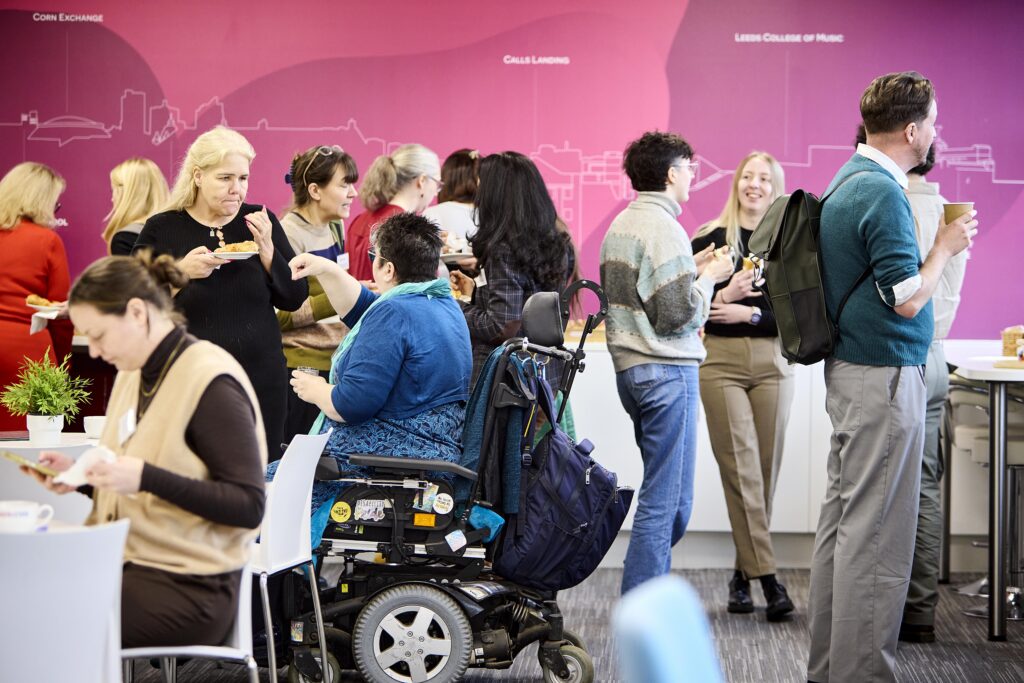
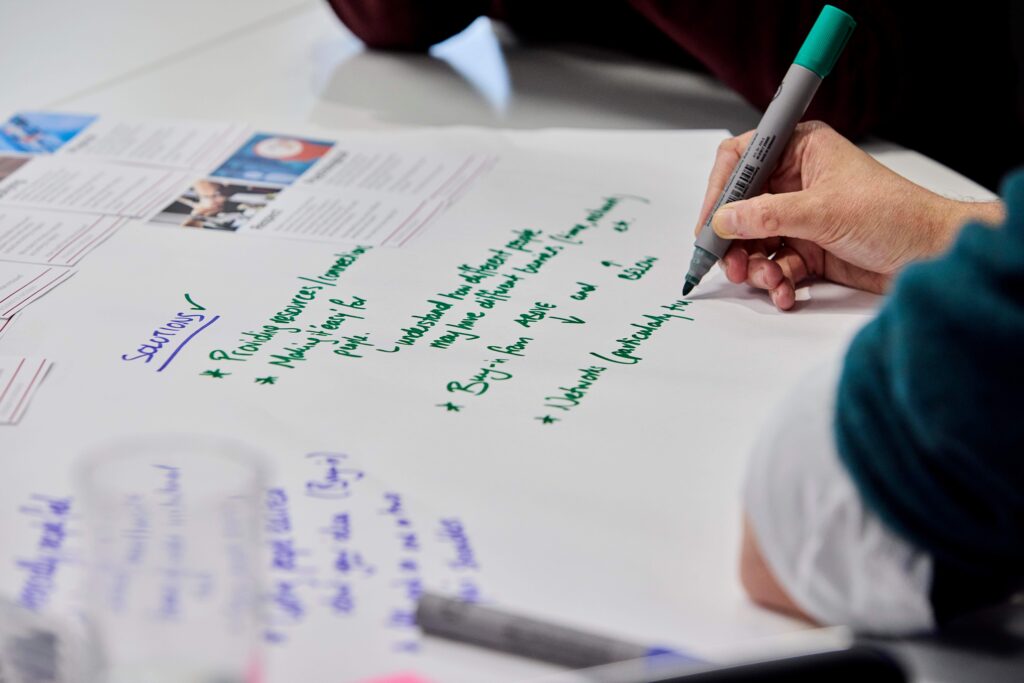
Interactive elements, including a World Café session during lunch, provided structured opportunities for delegates to connect, exchange ideas and explore pathways for collaboration, with a particular focus on brokering partnerships to support scale‑up of effective interventions.
Reflections and next steps
The conference closed with reflections from Prof. Vania Dimitrova. She acknowledged the progress made in building a more inclusive and equitable EPMS research system. She reaffirmed the Hub’s commitment to evidence‑informed action, collaboration and sustained momentum. The overall tone of the day was notably hopeful and constructive, framing the conference not as an endpoint but as a springboard for continued collective action.